As storage operators look to reduce downtime and improve recovery processes, digital auctions and automated verification are reshaping how abandoned units are managed.
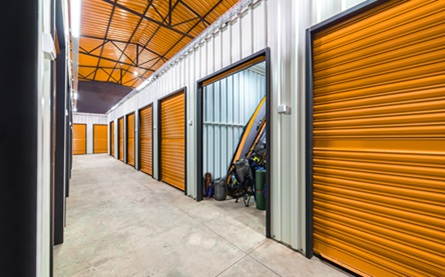
Dealing with abandoned units has long been one of the less visible - but more demanding - aspects of storage operations. Whether in traditional self-storage or container-based sites, unpaid accounts and unclaimed goods can tie up space, absorb staff time and delay the return of units to revenue-generating use.
What is changing is the way many operators are approaching the problem. Rather than relying solely on internal disposal processes, some are adopting digital auction platforms to manage the sale of abandoned contents more efficiently, while creating a clearer administrative and compliance trail.
One of the businesses operating in this space is iBid, which provides an online marketplace for the contents of abandoned or defaulted storage units. Its model reflects a broader shift in the sector towards more structured, technology-led recovery methods.
Straightforward principle
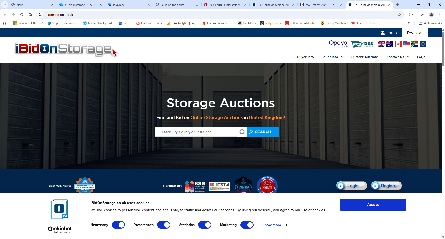 The principle is straightforward. Instead of handling liquidation internally, operators list a unit’s contents online and invite bids from registered buyers. The aim is to establish a market value through competitive bidding, while reducing the operational burden on site teams. For operators, the appeal lies not only in the possibility of recovering some bad debt, but also in moving units back into service more quickly.
According to the company, the platform has now been used for more than 15,000 auctions across multiple European markets, including the UK, the Netherlands, France, Germany, Spain, Portugal, Sweden, Belgium, Ireland, Norway and Denmark. It reports that in 2024 sellers recovered more than £2.6 million in bad debt through the platform. While results will inevitably differ depending on the contents of each unit and local demand, the figures point to a market that is becoming more established.
Reach and transparency
For many operators, “reach” matters. A sale process is only effective if it attracts enough interest to produce meaningful bidding. iBid says it works with around 700 storage facilities across more than 250 storage brands, with over 31,000 registered buyers using the platform. In practical terms, access to a wider buyer base can improve the chances of generating competitive bids across a range of contents, from domestic household items to mixed commercial stock.
Transparency is another factor. Online auction systems create a digital record of bidding activity, sale values and payments, which may be useful for operators seeking a more documented and traceable disposal process. In a sector where procedures around defaulted units can be sensitive, that level of visibility is increasingly relevant.
Container self-storage and automation
The container storage sector presents a particularly interesting case. While the underlying issue is the same, the operational reality can be quite different from indoor self-storage. Container sites are often spread across larger outdoor compounds, sometimes with fewer staff on site and more complex access arrangements. Contents may also be bulkier, heavier or less predictable, adding to the challenge of disposal.
That makes efficiency especially important. A digital platform can reduce the amount of on-site handling required before sale, while putting more of the collection process into the hands of the buyer. This is significant for operators trying to clear overdue units with minimal disruption, especially where occupancy is high or sites are managed remotely.
iBid has also introduced a tool called CleanCapture, which is designed to automate part of the post-sale process. Using AI-based image analysis, the system reviews photographs submitted by the winning bidder to assess whether the unit has been fully cleared. Managers can review the evidence remotely, and cleaning deposits can then be refunded automatically or subject to operator approval.
For container operators in particular, that may offer a practical advantage. Clean-out checks in outdoor environments can be more difficult to manage consistently, especially across multiple sites. An automated verification system does not remove the need for oversight, but it may reduce the amount of manual checking required and create a more standardised record of the process.
The same applies to wider audit and compliance needs. The platform is designed to provide a digital trail covering auction history, bidder activity, payments, clean-out evidence, deposit handling and manager approvals. For operators managing several locations, centralising that information may support a more consistent approach.
Additional features
Another feature is bidder rating, which enables operators to track buyer behaviour across connected sites. In practice, this can help identify reliable buyers and reduce the risk of repeated problems. For facilities with outdoor compounds or extended access hours, that additional layer of accountability may be useful.
The platform also includes automated access controls, with access codes issued once payment and deposit requirements have been met. Again, the importance of that will vary from site to site, but for operators seeking to reduce staff intervention while maintaining control, it reflects the wider direction of travel in storage management.
Shift to digital
Alongside these developments, iBid has updated its website to improve usability for buyers and sellers. That is a relatively small part of the overall picture, but it underlines a broader point: the management of abandoned goods is increasingly being treated as a digital workflow rather than a purely manual or reactive task.
For the storage sector, this shift is notable. Abandoned units have traditionally been seen as an unavoidable operational headache, but platforms such as iBid suggest they are now being managed in a more systematised way. The focus is less on the sale itself than on the full recovery process: documentation, access, clean-out, compliance and speed of turnaround.
As storage businesses continue to look for efficiencies, the handling of defaulted and abandoned units is likely to remain an area where digital tools gain further ground. For both self-storage and container operators, the challenge is not simply how to dispose of unclaimed contents, but how to do so in a way that is controlled, auditable and commercially practical.
Photos:
Top - Abandoned units are a problem all self-storage businesses have encountered at
some stage.
Bottom - iBid is one of the operators providing an online auction solution.